It All Started in the 1800s
Sports photography isn’t just about snapping action shots of athletes—it’s about capturing adrenaline, emotion, movement, and moments that define games and history. Whether you’re a fan, an aspiring sports photographer, or just curious about what goes on behind the lens, here are10 fascinating factsyou may not know about this high-energy field.
1.It All Started in the 1800s
The earliest known sports photographs date back to the mid-1800s, with horse racing and cricket among the first sports ever documented on film. The long exposure times meant early photographers had to pose athletes instead of capturing live action!
2.Shutter Speed Is Everything
To freeze fast-paced movement, sports photographers often shoot with shutter speeds as fast as1/2000 or even 1/8000 of a second. That’s faster than the blink of an eye—literally!
3.Photographers Must Know the Game
The best sports photographers aren’t just good with a camera—they know the sport inside out. Understanding timing, player habits, and game rules helps them anticipate the next big moment before it happens.
4.You Can Hear the Clicks on TV
At quiet moments—like tennis matches or golf swings—you might hear therapid fire of camera shuttersfrom professionals stationed courtside. Many shoot with burst mode, capturing up to 20 photos per second.
5.They Shoot in All Weather
Rain, snow, blazing sun—sports photographers are out there in the elements. Their gear is often weather-sealed, and they use covers and hoods to protect their cameras while still getting the shot.
6.Lenses Cost More Than Cars
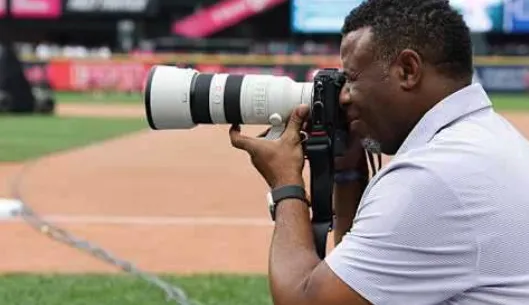
Top sports photographers often use400mm, 500mm, or even 600mm telephoto lenses, many of which cost$10,000+ each. These lenses allow them to get close-up shots from across the stadium.
7.The Olympics Has Its Own Photo Network
At the Olympics, photographers are given special access to wired networks that allow them toinstantly upload imagesto editors while they’re still shooting. Speed is key in sports media.
8.Remote Cameras Are Common
For unique angles—like under a basketball hoop or behind a soccer goal—photographers set upremote-controlled camerastriggered wirelessly or by motion. This gives them multiple perspectives at once.
9.Editing Happens Fast
Sports photos often go livewithin minutesof being taken. Photographers or editors quickly select, crop, color correct, and send images to media outlets for real-time updates on websites and broadcasts.
10.It’s About Emotion as Much as Action
While capturing peak action is essential, some of the most iconic sports photos areemotional moments—victory roars, tears after defeat, or unexpected upsets. Great sports photography tells a human story.
Final Thoughts
Sports photography is a dynamic blend of technical skill, creativity, and passion. It’s about being fast, observant, and always ready—because the perfect shot can happen in a split second.
If you’re just starting out or thinking of making the jump, remember this: it’s not just about shooting the game—it’s aboutcapturing the moment.
