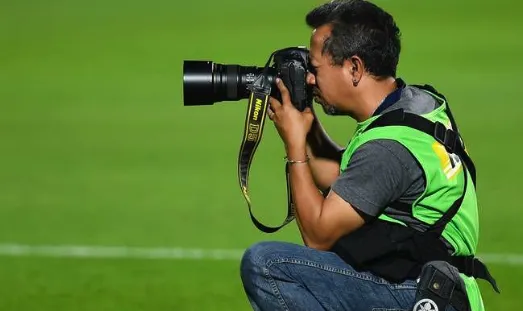
Master the Basics of Photography
Sports photography is a thrilling and fast-paced field where every second counts. Whether you’re capturing a game-winning goal, the intensity in an athlete’s eyes, or the energy of the crowd, sports photography gives you a front-row seat to unforgettable moments.
But breaking into the industry takes more than just a camera and a love for sports. Here’s a step-by-step guide to help you start your journey into the world of sports photography.
1.Master the Basics of Photography
Before jumping into live games, you need a solid understanding ofcamera settings, especially:
Shutter speed– to freeze action
Aperture– to manage depth of field
ISO– to adapt to changing lighting conditions
Autofocus tracking– to follow fast-moving subjects
Start by practicing with manual settings on your camera and get comfortable shooting in different environments.
2.Start with Local Sports
You don’t need NFL sidelines to build your skills. Start with:
High school games
Local recreational leagues
Youth sports
Amateur tournaments
These environments give you the freedom to experiment without the pressure of professional expectations, while still giving you valuable experience.
3.Build a Strong Portfolio
Your portfolio is your visual résumé. Focus on:
A variety of sports (football, basketball, track, etc.)
Different types of shots (action, emotion, team huddles, crowd reactions)
High-quality editing
Your goal is to show you cantell a story through your photos, not just capture isolated moments.
4.Invest in the Right Gear (Gradually)
You don’t need the most expensive camera right away, but here’s what helps:
DSLR or mirrorless camerawith fast autofocus and high burst rate
Telephoto lens(e.g., 70-200mm) to get close from a distance
Monopodfor stability during long events
Extra batteries and memory cards
Start with what you can afford and upgrade as your skills and opportunities grow.
5.Learn the Sport You’re Shooting
Knowing the rules, flow, and key players of a sport helps you anticipate moments before they happen. This is what separates a good sports photo from a great one. Study game footage and learn from coaches or players if possible.
6.Network with Coaches, Teams, and Media
Your next gig could come from a simple conversation. Reach out to:
High school coaches or athletic directors
College sports departments
Local sports journalists
Other photographers in the industry
Ask to shadow them, offer your services, or collaborate. Relationships open doors in this industry.
7.Share Your Work Online
Use social media platforms likeInstagram, Facebook, or X (formerly Twitter)to showcase your shots. Tag teams, athletes, and event organizers. Having a website or blog with your portfolio, pricing, and contact info also builds credibility.
8.Offer Free Work (Strategically)
In the beginning, doing a few free shoots can help you build trust, experience, and connections. But always do itwith purpose—make sure it leads to exposure, testimonials, or potential referrals.
9.Stay Consistent and Keep Improving
This industry is competitive, and growth takes time. Keep shooting. Keep learning. Study other sports photographers, watch YouTube tutorials, and stay updated on gear and editing trends.
10.Know the Career Paths
Sports photographers work in many settings:
Freelance or contract
Media outlets and sports magazines
College or pro sports teams
Sports agencies
Event companies
You may start small, but opportunities grow with experience and hustle.
Reflection
Breaking into sports photography is about passion, persistence, and practice. If you love the game and love capturing real emotion in real-time, you’re already halfway there.
Your lens is your ticket. Use it to capture moments that people will remember forever.
